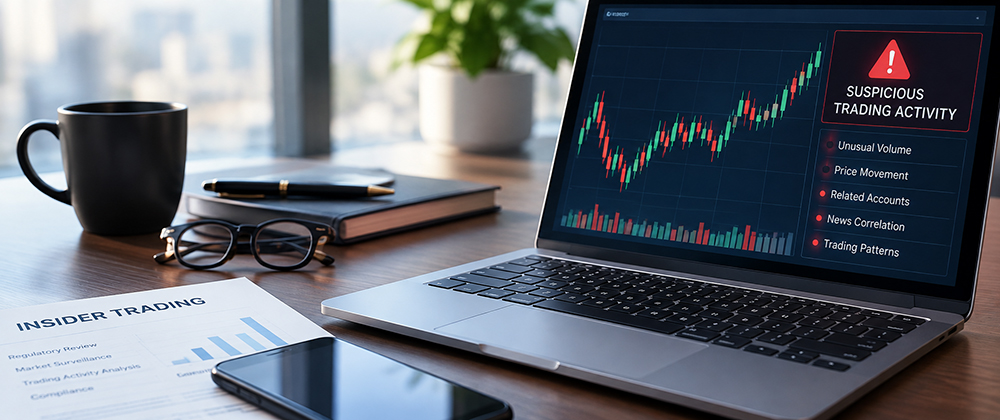
What factors influence SEC charging decisions?
The SEC will consider many factors when making a decision whether to charge or not.
The SEC will look at the quality and nature of the evidence, meaning how persuasive and credible it is or is not.
It will look to determine whether there is investor harm, for example, as opposed to a technical violation that did not cause investors to suffer economically.
It will also look to the target of the investigation to determine whether this individual has previously violated the federal securities laws or otherwise has been the subject of criminal prosecution.
A recidivist, as they’re called—someone who has a prior record—faces a much higher risk of being prosecuted for that reason.
The SEC will also take into account remediation or steps taken to mitigate the violation or harm, including putting in place new policies and procedures and firing individuals found to have committed the underlying violations.
The SEC historically, and under the current administration, continues to take those efforts into account when determining whether to charge and, if so, will account for that in its discussions of an appropriate settlement.
Additionally, it is important to understand that the SEC’s enforcement priorities tend to change depending upon the particular administration.
For example, what was considered chargeable under a prior administration may not be so under the current administration.
Thus, it’s important to understand what the current enforcement priorities are to get a better understanding of the likelihood of whether that violation, if proven, is likely to be prosecuted.
Receiving an SEC subpoena, Wells Notice, or learning that you are the subject of an SEC investigation naturally leads to a critical, pressing question: Will the SEC actually file charges against me?
The answer depends on far more than whether the SEC believes a violation of the federal securities laws occurred. During my years as a Senior Counsel with the U.S. Securities and Exchange Commission, I participated in investigations involving alleged securities fraud violations, insider trading, market manipulation, accounting fraud, and investment adviser misconduct. I saw firsthand that SEC charging decisions involve several factors: a careful evaluation and analysis of the evidence, the applicable federal securities laws, the public interest, and practical considerations.
Not every SEC investigation results in an enforcement action. Likewise, not every technical violation leads to litigation. Understanding how the SEC evaluates potential cases can help individuals, executives, investment advisers, broker-dealers, public companies, and other market participants make informed decisions throughout an investigation.
If you are under investigation, consulting an experienced SEC defense attorney early in the process can significantly affect how your case develops.
The SEC Must Believe It Can Prove a Violation By a Preponderance of the Evidence
Every charging decision begins with one fundamental question: Can the SEC prove a violation of the federal securities laws?
Enforcement attorneys evaluate whether the evidence developed during the investigation establishes every legal element of a potential claim. This analysis may include reviewing:
- Trading records
- Emails and text messages
- Financial statements
- Testimony from witnesses
- Statements from cooperators
- Internal company documents
- Compliance records
- Bank records and other financial evidence
Evidence that initially appears compelling may become less persuasive as additional facts emerge. Likewise, facts that initially seem insignificant can ultimately become critical to the SEC’s decision.
The Strength and Quality of the Evidence
Not all evidence carries the same weight.
Cases supported by contemporaneous emails, recorded communications, trading records, admissions, or forensic accounting analyses generally present a stronger foundation than cases relying primarily on conflicting witness testimony and/or circumstantial evidence.
The SEC also evaluates:
- Witness credibility
- Documentary corroboration
- Consistency of testimony
- Availability of records
- Alternative, non-inculpatory explanations for the conduct
Even if the staff believes misconduct occurred, they must consider whether the evidence will withstand scrutiny, be it a jury in federal court or an administrative law judge in a SEC in-house proceeding, if the matter proceeds to litigation.
Intent is Critical
Many securities fraud violations, including insider trading and certain antifraud claims, require proof that a person acted knowingly, recklessly, or with an intent to deceive.
Accordingly, SEC staff attorneys examine evidence bearing on an individual’s state of mind, including:
- Internal communications, including text messages and social media communications
- Prior compliance warnings and responses thereto
- Efforts to conceal information and/or conduct
- Repeated misconduct
- Knowledge of applicable laws, securities regulations and industry rules
- Reliance on legal or accounting advice
- Corrective actions, if any, taken after problems were identified
Demonstrating good faith, reliance on experienced professionals, or prompt efforts to correct mistakes may significantly influence how the SEC evaluates a matter and thus whether it recommends charges.
Investor Harm Is a Significant Consideration
The SEC’s mission is to protect investors and maintain fair, orderly, and efficient markets. The SEC’s Commissioner, Paul Atkins, has made clear that the protection of retail investors is a core priority for the Enforcement Division.
In my experience, Enforcement staff consider the actual or potential harm (economic and market integrity) caused by the alleged misconduct. Questions asked frequently include:
- Did investors lose money and, if so, how much over what time period?
- Were disclosures misleading or, at a minimum, insufficient?
- Was market integrity affected and, if so, in what way and what was the impact?
- Were vulnerable investors, particularly the elderly and retirees, specifically targeted?
- Were retirement funds sourced from IRA and 401(k) accounts used to invest?
- Did the conduct undermine confidence in the securities markets?
Cases involving significant investor losses and/or widespread market impact generally receive greater enforcement attention than isolated technical violations with limited practical consequences.
Cooperation Can Influence Charging Decisions
One of the most important—and often misunderstood—factors is cooperation.
The SEC has publicly stated that meaningful cooperation may influence charging recommendations and settlement terms. Cooperation does not simply mean agreeing to every request. It may include:
- Promptly preserving and producing documents, and explaining their significance
- Testifying against others involved in the fraudulent conduct
- Conducting a credible corporate internal investigation
- Identifying the existence of potentially valuable records, including emails and text messages
- Enhancing compliance procedures
- Demonstrating a commitment to future compliance
Whether cooperation is appropriate depends on the specific facts of each investigation. Decisions regarding cooperation should always be made after consulting an experienced SEC defense attorney.
Remedial Measures Can Matter
The SEC often looks beyond the alleged violation itself.
Enforcement attorneys also evaluate what happened after the wrongdoing was discovered.
Meaningful remediation may include:
- Strengthening compliance programs
- Replacing responsible personnel
- Correcting inaccurate disclosures
- Returning funds to harmed investors
- Improving internal controls
- Enhancing supervisory procedures
Although remediation does not eliminate potential liability, it may influence charging decisions and settlement negotiations to the benefit of the investigation’s target.
Litigation Risk Is Always Part of the Analysis
Every enforcement recommendation includes an assessment of litigation risk.
Among the questions considered are:
- Is the legal theory well established or novel and untested?
- Are there significant factual disputes that heavily rely on witness credibility as opposed to documentary evidence?
- Are key witnesses available?
- Can the potential defendant present persuasive defenses?
- Could the litigation create unfavorable legal precedent for the SEC in its national enforcement program?
Strong defenses do not necessarily prevent an enforcement action (although they may), but they frequently influence negotiations and enforcement strategy.
Current Enforcement Priorities Also Matter
The SEC has limited resources and must prioritize cases that further its enforcement mission.
Current enforcement priorities frequently include:
- Insider trading investigations
- Market manipulation
- Securities offering fraud
- Accounting fraud
- Investment adviser misconduct
- Cryptocurrency and digital assets
- Artificial intelligence-related disclosures (known as AI Washing)
Cases that align with current Commission priorities typically receive heightened focus and allocation of resources, although every matter is evaluated on its own facts.
Charging Decisions Are Collaborative
Contrary to popular belief, charging decisions are not made by a single SEC attorney.
Investigative staff prepare recommendations that undergo multiple levels of review within the Division of Enforcement. Supervisors, senior enforcement officials from other divisions, and the SEC Commissioners themselves review proposed enforcement actions before charges are authorized, as well as proposed settlements and their terms.
While this internal review process can be lengthy, slow-moving and frustrating from a client’s perspective, it is designed to ensure consistency, careful scrutiny, legal sufficiency, and that enforcement actions serve the public interest.
A Former SEC Prosecutor’s Perspective
One of the biggest misconceptions about SEC investigations is that the decision to file charges is inevitable once the government opens an investigation.
That was not my experience as a former SEC prosecutor.
Investigations are fluid and dynamic. As new documents are produced, witnesses are interviewed, and legal arguments are presented, the staff’s understanding of the facts, and view of the potential case, often evolves. In some matters, early concerns are resolved after additional information is provided. In others, evidence uncovered later in the investigation substantially changes the nature of the inquiry and, as a result, the staff’s assessment.
Another common misconception is that every Wells Notice automatically results in an enforcement action. While a Wells Notice is certainly a significant development and is a strong indication as to how the SEC staff views the evidence, it is not the final step in the process. To the contrary, a well-prepared Wells submission may persuade the Commission to narrow potential charges, modify legal theories, or, in appropriate circumstances, decline to authorize an enforcement action altogether.
This is one reason experienced legal representation is absolutely critical. Strategic decisions made during an SEC investigation—from responding to subpoenas to preparing witnesses for testimony, to determining whether a client should assert his Fifth Amendment Right not to speak—often influences how the investigation ultimately concludes.
Why Early Legal Representation Is Critical
Many individuals assume that once they receive an SEC subpoena or become involved in an insider trading investigation, the outcome is largely predetermined.
Not so. In my three decades of securities law experience, I can identify weaknesses in the government’s assumptions, present exculpatory evidence, and advocate for resolutions that may either avoid, or significantly narrow, potential charges against my client.
Whether you are facing allegations involving securities fraud violations, an insider trading investigation, accounting issues, market manipulation, or have received a Wells Notice, obtaining experienced legal guidance early in the process can help you understand how the SEC is likely to evaluate your case, the nature and quality of the evidence and develop an informed defense strategy.
Frequently Asked Questions About SEC Charging Decisions
Does every SEC investigation result in charges?
No. Many SEC investigations conclude without the filing of an enforcement action. During an investigation, the SEC gathers documents, interviews witnesses, analyzes financial records, and evaluates whether there is sufficient evidence to establish a violation of the federal securities laws by a preponderance of the evidence. In some cases, the staff determines that no enforcement action is warranted, while in others the investigation may result in a settlement, administrative proceeding, or civil federal court litigation.
How long does the SEC take to decide whether to file charges?
There is no fixed timeline. Some investigations conclude in a matter of months, while others continue for several years. The length of an investigation depends on numerous factors, including the complexity of the issues, the volume of documents to review, the number of witnesses involved, whether parallel criminal investigations are underway, and the SEC’s enforcement priorities.
Can cooperation prevent the SEC from filing an enforcement action?
It can, but there are no guarantees. The SEC has publicly recognized that meaningful cooperation may influence charging decisions, settlement terms, or the remedies (financial or injunctive) it seeks.
Who makes the final decision to file SEC charges?
Charging decisions typically involve multiple levels of review within the SEC’s Division of Enforcement, as well as input from other divisions. Investigative staff prepare recommendations that are reviewed by supervisors and senior enforcement officials. SEC Commissioners ultimately vote on whether to authorize the filing of charges.
What is the SEC looking for during an investigation?
The SEC seeks to determine whether the available evidence demonstrates a violation of the federal securities laws and whether bringing an enforcement action would further its mission of protecting investors and maintaining fair, orderly, and efficient markets. Investigators evaluate documentary evidence, witness testimony and credibility, digital communications, investor harm or lack thereof, intent, and in certain cases, cooperation and remedial efforts.
Should I speak with the SEC before hiring an attorney?
No. It is strongly advised to consult an experienced SEC defense lawyer before responding to an SEC subpoena, interview request, or Wells Notice. Your statements made to the SEC during an investigation, even seemingly innocent explanations, can be used against you, and may make it that much harder for counsel to persuade the staff to close the investigation without enforcement action. SEC legal counsel, particularly a former sec enforcement attorney, can help protect your rights, prepare you for interactions with the SEC, and develop an appropriate response strategy calculated to avoid charges and with it, life-changing consequences.